
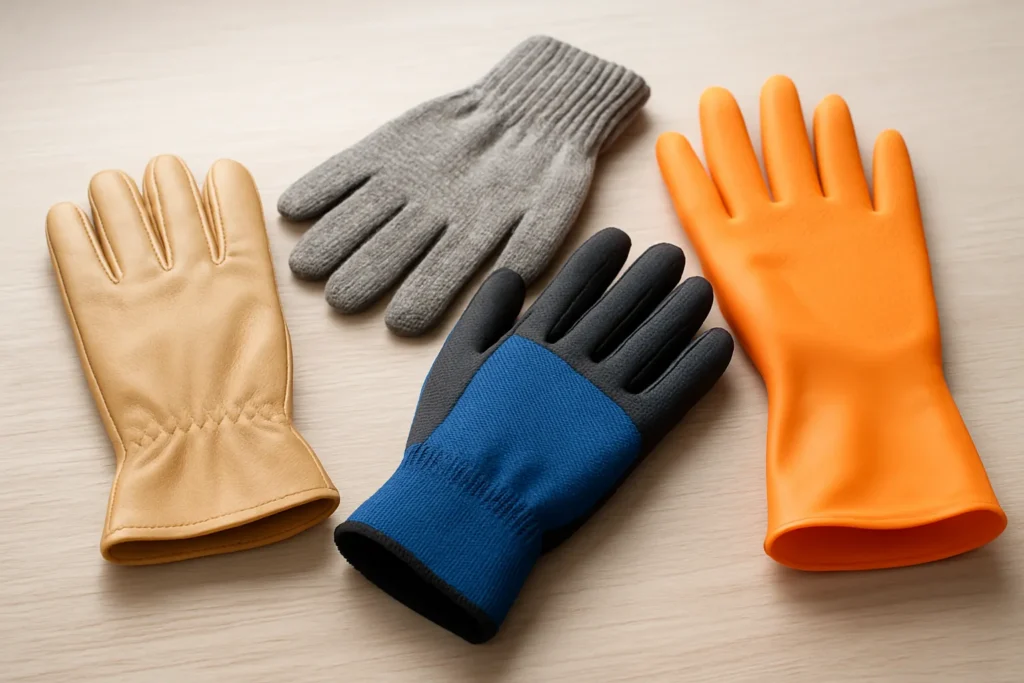
The Rise of Custom Gloves in B2B Markets: Meeting Diverse Needs with Quality Materials
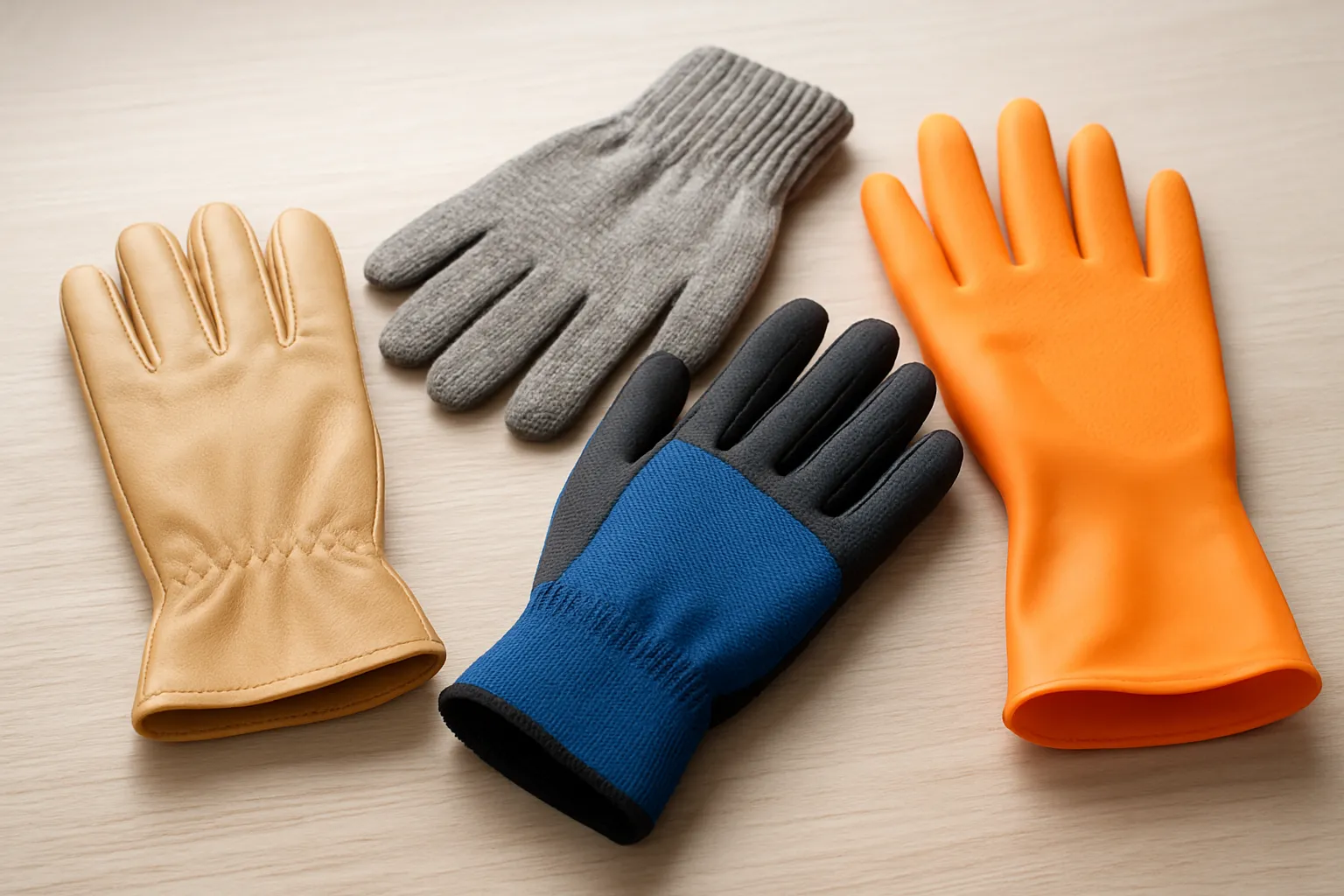
Custom gloves serve as specialized hand protection solutions designed to fulfill the unique requirements of businesses across various sectors. These gloves come equipped with distinct features and materials that enhance their functionality, ensuring they cater to the diverse needs of different industries. In the B2B marketplace, the significance of custom gloves cannot be overstated; they offer safety and protection while playing a crucial role in branding and improving operational efficiency. As businesses increasingly recognize the value of personalized products, the demand for custom gloves continues to surge.
Specifications of Custom Gloves
The choice of fabric material is a key factor in determining the performance and suitability of custom gloves for various tasks. Common materials used in producing these gloves include leather, cotton, nitrile, latex, and PVC. Each material offers specific advantages; for instance, leather gloves are renowned for their durability and protection against abrasions, while nitrile gloves excel in chemical resistance.
Key features of custom gloves often include enhanced grip, ergonomic designs, and reinforced stitching. These characteristics improve safety and enhance comfort, allowing users to perform tasks efficiently without compromising on protection. The option to customize gloves with specific features, such as touchscreen compatibility or additional insulation, further elevates their appeal in the B2B market.
Use Cases for Custom Gloves
Custom gloves find a multitude of applications across various industries, including healthcare, manufacturing, food processing, and construction. In the healthcare sector, for example, gloves designed for medical professionals may incorporate antimicrobial properties and superior tactile sensitivity to ensure precision during procedures. In manufacturing, gloves that provide cut resistance and durability are essential for workers handling sharp tools or heavy machinery.
Customization can focus on safety and comfort, addressing specific hazards faced by workers in different environments. For instance, gloves used in cold storage facilities may be insulated to protect against low temperatures. Those in food processing can be crafted to be waterproof and easy to clean.
Comparing Custom Gloves
When comparing custom gloves to standard gloves, the advantages of the former become clear. Standard gloves may provide basic protection but often lack the tailored features necessary for specific tasks. Custom gloves, on the other hand, are designed with the end-user in mind, ensuring they deliver the required protection without sacrificing comfort or dexterity.
Evaluating the quality and durability of custom gloves is vital for businesses. Factors such as material strength, stitching quality, and resistance to wear and tear should be carefully considered. Investing in high-quality custom gloves can lead to long-term cost savings by reducing the frequency of replacements and minimizing workplace injuries.
Sourcing Custom Gloves
Finding reliable bulk glove suppliers is essential for businesses looking to purchase custom gloves. A reputable supplier will provide high-quality products and offer customization options that align with specific business needs. When sourcing custom gloves, businesses should evaluate factors such as the supplier’s reputation, production capabilities, and lead times.
Additionally, it’s crucial to assess the supplier’s ability to maintain consistent quality. Requesting samples and reviewing certifications can help ensure that the gloves meet industry standards and regulations.
Implementation of Custom Gloves
Integrating custom gloves into business operations involves several key steps. Initially, businesses should conduct a needs assessment to determine the specific requirements for glove use in their operations. This assessment may include identifying the types of tasks performed and the hazards present in the workplace.
Once the needs are established, businesses can collaborate with suppliers to design and order the custom gloves. Training employees on the proper usage and care of the gloves is essential to maximize their effectiveness and ensure safety. Providing clear guidelines on when and how to use the gloves, along with ongoing training sessions, can help reinforce safe practices.
FAQs about Custom Gloves
- What are the benefits of using custom gloves over standard gloves? Custom gloves offer tailored features that enhance safety, comfort, and efficiency, making them more suitable for specific tasks compared to standard gloves.
- How do I choose the right fabric material for my custom gloves? Consider the specific application and hazards associated with the tasks at hand. For example, choose nitrile for chemical resistance or leather for durability.
- Are custom gloves more expensive than standard gloves? While custom gloves may have a higher upfront cost, their durability and tailored features can lead to long-term savings by reducing injury risks and replacement costs.
- What should I look for in a bulk glove supplier? Evaluate their reputation, product quality, customization options, and ability to meet delivery timelines.
- Can custom gloves be used in multiple industries? Yes, custom gloves can be designed to meet the needs of various industries, making them versatile for different applications.
Conclusion
The rise of custom gloves in B2B markets reflects the growing demand for personalized solutions that meet specific business needs. By understanding the specifications, use cases, and sourcing strategies for custom gloves, businesses can enhance safety and efficiency in their operations. Investing in quality custom gloves will protect employees and contribute to overall operational success.